Screen Reader Access
CSIR-IIIM, 14th January 2026
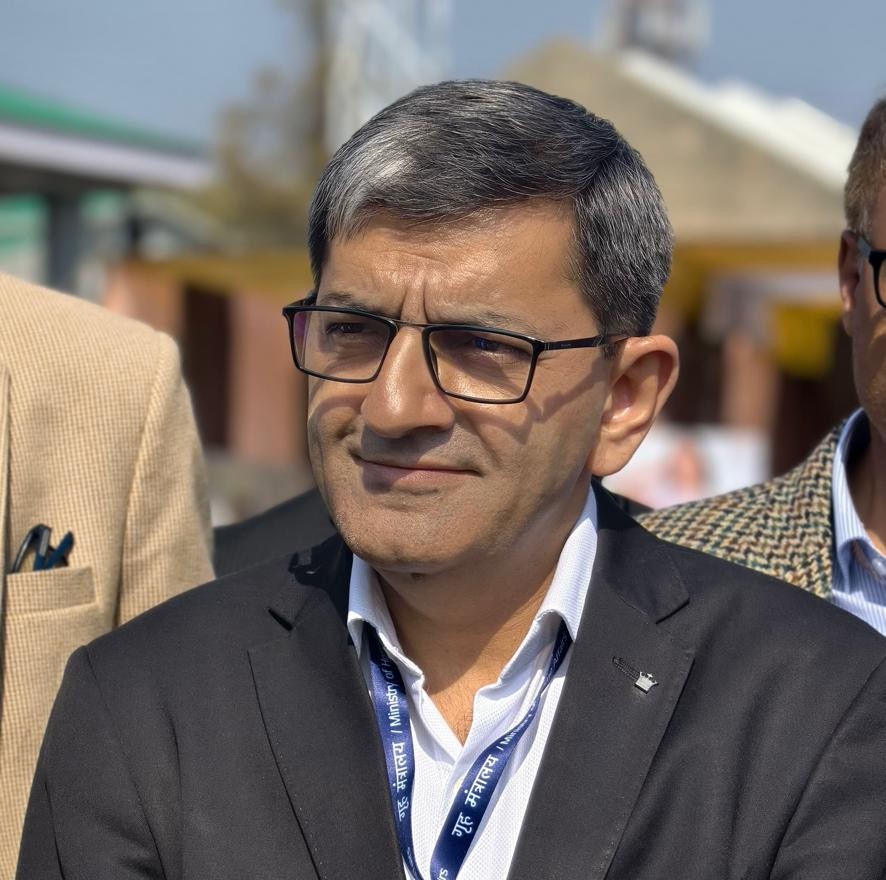
The Director of CSIR-Indian Institute of Integrative Medicine (IIIM), Dr Zabeer Ahmed, on Tuesday chaired a comprehensive review meeting on research, development, and technology translation activities in the Medicinal and Aromatic Plants (MAPs) sector. At the outset, Dr Ahmed acknowledged the support of Union Minister of State (Independent Charge) for Science & Technology and Vice President of CSIR, Dr Jitendra Singh, for providing policy guidance and strategic momentum to MAPs programmes, enhancing the national scale and translational impact of CSIR initiatives.
The review assessed the progress across the MAPs innovation continuum, including germplasm conservation, crop improvement, agrotechnology development, post-harvest processing, value addition, quality assurance, technology dissemination, and enterprise incubation. Dr Ahmed highlighted the strategic relevance of MAPs across agriculture, pharmaceuticals, nutraceuticals, cosmetics, perfumery, and wellness sectors, noting that research efforts target critical challenges such as quality planting material, productivity, post-harvest losses, and market integration.
Dr Shahid Rasool, Principal Scientist, presented the activities at CSIR-IIIM’s field stations in Bonera, Pulwama, and Yarikah, Tangmarg, detailing agrotechnology improvements for priority MAP crops. The work includes optimized planting practices, nutrient and water management, integrated disease management, and protocols for germplasm multiplication, varietal evaluation, and agronomic standardization under North Western Himalayan conditions. Scientific teams highlighted advances in post-harvest processing, extraction systems, phytochemical profiling, and quality assurance. The Institute’s capabilities in analytical validation, process optimization, and standardization were noted as key enablers for regulatory compliance, market access, and global competitiveness of MAP-derived products.
Dr Ahmed emphasised technology translation and outreach beyond Jammu and Kashmir, reporting adoption of MAP technologies in the Northeastern states, Uttarakhand, and Himachal Pradesh. Structured training programmes, field demonstrations, and sustained handholding have facilitated cultivation of high-value MAP crops, contributing to climate-resilient agriculture, crop diversification, and improved farmer incomes. He also stressed fostering agri-entrepreneurship in MAPs and aroma sectors, supporting start-ups and rural enterprises in cultivation, distillation, primary processing, and value-added product development.
The Director highlighted national recognition of the CSIR-Aroma Mission with the Rashtriya Vigyan Puraskar – Team Award 2025 as a testament to the Institute’s mission-mode research framework and socio-economic impact through translational science. Concluding the review, Dr Ahmed outlined a roadmap prioritising high-potential MAP species, strengthening digital advisory and monitoring systems, expanding public-private partnerships, and aligning research with national bioeconomy and sustainability goals. The meeting reaffirmed CSIR-IIIM’s mandate to advance a resilient, inclusive, and innovation-driven bioeconomy through science-led MAP interventions.